Source Adjustable Antistatic Lab Chair for Hospitals Schools
Explore 30 listings for adjustable antistatic lab chair options suitable for hospitals, schools, and research institutes. Buyers can compare specifications including gaslift classes, base materials, and customization availability to find the right industrial seating solution.
Key considerations
Products List


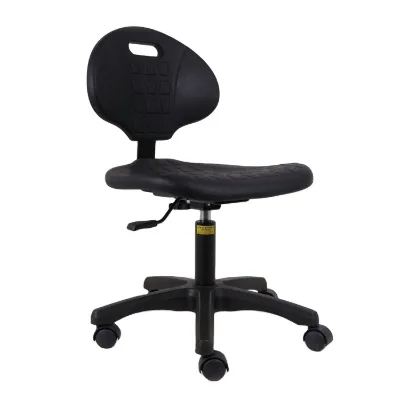
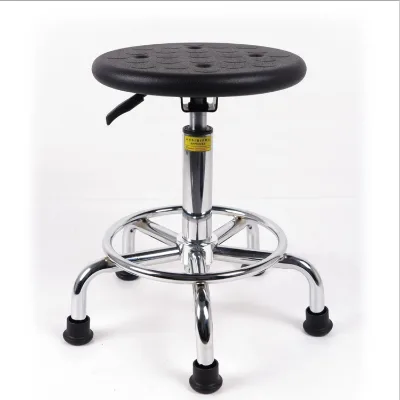
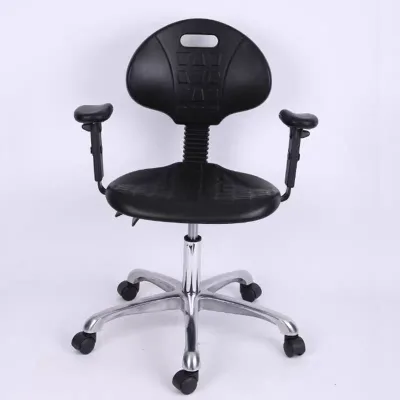


Comprehensive Sourcing Guide
Strategic Sourcing Guide for Adjustable Antistatic Lab Chairs
Technical Specifications and Functional Design
When sourcing an adjustable antistatic lab chair, the primary objective is to identify equipment that balances ergonomic support with strict environmental controls required in laboratory settings. The core technical differentiator for these units is the integration of antistatic properties, often achieved through specific material selections in the cushion and base components. Based on observed market data, the cushion material frequently utilizes leather or similar synthetic composites designed to dissipate static electricity, preventing damage to sensitive electronic components or hazardous chemical reactions. The structural integrity of the chair is equally critical, with leg materials ranging from stainless steel for high-corrosion resistance to plastic variants for specific cost-effective applications.
The adjustability mechanism is a defining feature of the "adjustable" keyword in this category. Buyers should verify the presence of a gas lift cylinder, which typically offers a stroke length of approximately 80 mm and is rated to Class 2 standards for safety and durability. The height adjustment range observed in the market spans from roughly 94 cm to 121 cm, allowing for customization across different workstation heights. The base material is another critical specification; nylon bases are common, often paired with swivel casters that measure between 50 mm and 60 mm in diameter. These casters are essential for mobility within a lab environment, though some models may offer fixed caster options for stationary workstations.
Armrest functionality varies significantly between models. Procurement teams must distinguish between chairs with adjustable armrests, which allow for fine-tuning of elbow support, and those with fixed armrests, which provide a more rigid structure. The mechanism controlling these adjustments can be a two-lever system or a single-lever mechanism, with the latter often preferred for streamlined operation in busy laboratory environments. The product type is generally categorized as either a chair or a stool, with stools often featuring a lower profile and specific models like the PU-ST09 or 5014 series. Understanding these granular specifications is vital before initiating a purchase order, as the wrong configuration can lead to ergonomic failures or non-compliance with lab safety protocols.
Compliance, Certification, and Safety Standards
In the laboratory sector, compliance is not merely a suggestion but a prerequisite for operational safety. When evaluating potential suppliers, buyers must rigorously verify the certification status of the products. The market data indicates that reputable manufacturers often hold ISO 9001 certification, which validates their quality management systems. Additionally, BIFMA (Business and Institutional Furniture Manufacturers Association) standards are frequently cited, ensuring that the chairs meet rigorous testing protocols for durability, stability, and safety. Third-party verification from organizations like SGS further strengthens the credibility of the product claims regarding material safety and structural integrity.
For antistatic chairs specifically, the certification of the materials used in the cushion and base is paramount. While specific test results for static dissipation rates are not universally listed in general product summaries, the presence of certifications like ISO 9001 and BIFMA suggests that the manufacturer adheres to standardized testing procedures. Buyers should explicitly request documentation proving that the antistatic properties meet the specific resistance levels required by their laboratory's safety guidelines. The standard dimensions provided in product listings, such as 53.04797-121cm or 50.54694-114 cm, serve as a baseline for verifying that the chair fits within the designated workspace without compromising safety clearances.
It is important to note that not all products in the category may carry the same level of certification. Some listings may mention "Customized" options, which implies that the buyer can request specific certifications or material compositions. However, the default offering should be verified against the lab's safety requirements. The origin of the product, often listed as Guangdong, China (Mainland), does not inherently dictate quality, but it does influence the supply chain logistics and the ease of verifying the manufacturer's compliance records. Buyers should treat all certification claims as observations that require validation through direct supplier communication and request for certificates of conformity.
Cost Drivers and Pricing Dynamics
The pricing for adjustable antistatic lab chairs exhibits a wide range, observed between 5 USD and 330 USD. This significant variance is driven by several key factors, including the complexity of the mechanism, the quality of materials, and the level of customization required. At the lower end of the spectrum, prices may reflect basic models with fixed armrests, plastic legs, and standard gas lifts. These units are often suitable for general office or research environments where extreme durability or specialized antistatic properties are less critical. Conversely, the higher price points typically correspond to chairs featuring stainless steel legs, high-grade leather cushions, advanced two-lever mechanisms, and comprehensive certification packages.
The Minimum Order Quantity (MOQ) is another critical cost driver. The observed MOQ range spans from 1 unit to 100 units. Purchasing a single unit for immediate replacement or testing purposes will incur a higher per-unit cost compared to bulk orders. Bulk purchasing, particularly for orders meeting or exceeding the 10-unit threshold often seen in listings, can significantly reduce the average cost per chair. Additionally, the packaging method influences the final landed cost. Products packed in "5 Layer Standard Export Carton" or specific carton sizes like 580210600mm may incur higher shipping costs due to volume and weight, which are listed as Gross Weight (G.W.) and Net Weight (N.W.) figures such as 11.8 Kg and 10.8 Kg respectively.
Customization is a major factor that can inflate costs. Listings indicating "Customized" options suggest that buyers can request specific colors, dimensions, or material compositions. While this flexibility is valuable for meeting unique lab requirements, it often involves setup fees or higher unit prices due to the non-standard production run. Buyers must weigh the benefits of a tailored solution against the budget constraints, ensuring that the added cost of customization provides tangible value in terms of safety, longevity, or ergonomics. The delivery time, often noted as within 15 workdays after deposit receipt, also impacts the total cost of ownership, as expedited shipping or rush orders may carry additional premiums.
Typical Applications and Usage Scenarios
Adjustable antistatic lab chairs are designed for a diverse range of professional environments where static control and ergonomic support are essential. The primary usage categories identified include hospitals, schools, companies, and research institutes. In hospital settings, these chairs are often utilized in laboratories, pharmacies, or patient care areas where static electricity could interfere with sensitive medical equipment or pose a risk in oxygen-rich environments. The durability of the materials, such as stainless steel legs and leather cushions, ensures they can withstand the rigorous cleaning protocols and high-traffic conditions typical of healthcare facilities.
Research institutes and schools represent another significant application sector. In these environments, the chairs support students and researchers working with sensitive electronic components, chemical samples, or precision instruments. The antistatic feature is crucial here to prevent electrostatic discharge (ESD) that could damage equipment or compromise experimental results. The adjustable height and swivel casters allow for seamless movement between different workstations, enhancing productivity in collaborative research settings. The "Company" usage category often refers to corporate R&D departments or manufacturing facilities where similar ESD protection is required.
The condition of the product is also a consideration for different applications. While most listings specify "New" condition, some data points indicate "Used" items. For critical laboratory applications, new equipment is generally preferred to ensure full compliance with safety standards and warranty coverage. However, in budget-constrained educational settings, refurbished or used chairs may be considered, provided they have been thoroughly inspected and certified. The versatility of the product, with options for both chair and stool configurations, allows it to adapt to various workstation heights and user preferences, making it a versatile asset across these diverse sectors.
Supplier Evaluation and Verification Protocols
Evaluating suppliers for adjustable antistatic lab chairs requires a systematic approach to verify their capability to deliver compliant and high-quality products. The first step is to confirm the supplier's location and origin. Many listings indicate origins in Guangdong, China (Mainland), a region known for its manufacturing capabilities. However, the specific location within the region can impact lead times and logistics. Buyers should verify the supplier's ability to provide the specific models mentioned, such as 5014, PU-ST09, or 5003-1, and ensure that the specifications match the requirements of the laboratory.
Certification verification is a critical component of supplier evaluation. Buyers should request copies of ISO 9001, BIFMA, and SGS certificates directly from the supplier and cross-reference them with the issuing bodies. It is essential to ensure that the certificates are current and cover the specific product models being purchased. The supplier's ability to provide detailed product data, including dimensions, weight, and material composition, is another indicator of reliability. Listings that provide precise details like "5 Layer Standard Export Carton" and specific carton sizes demonstrate a level of professionalism and attention to detail that is desirable in a B2B partner.
The supplier's response to customization requests is also a key evaluation metric. Since the market data shows that customization is available, buyers should assess the supplier's flexibility and turnaround time for custom orders. A supplier that can accommodate specific requests for armrest types, gas lift classes, or caster sizes while maintaining quality standards is preferable. Additionally, the supplier's track record regarding delivery times, such as the noted "Within 15 Workdays After Recevided The Deposit," should be validated through references or past performance data. Finally, the warranty terms, such as the 3-year warranty observed in some listings, should be clearly understood and documented in the purchase agreement to protect the buyer's investment.
Quality Control and Long-Term Procurement Considerations
Implementing a robust quality control (QC) process is essential when procuring adjustable antistatic lab chairs, especially for critical applications in hospitals and research institutes. Buyers should establish clear acceptance criteria based on the observed specifications, such as the gas lift stroke length, caster diameter, and material composition. Regular inspections should verify that the chairs meet the stated dimensions, such as 53.04797-121cm, and that the antistatic properties are intact. For bulk orders, third-party inspection services can be employed to ensure that the products conform to the agreed-upon standards before shipment.
Long-term procurement considerations extend beyond the initial purchase to include maintenance, warranty management, and replacement strategies. The 3-year warranty observed in the market provides a safety net for manufacturing defects, but buyers should also consider the availability of replacement parts, such as gas lifts, casters, and armrests. The use of standard components, like the Class 2 gas lift and 50 mm/60 mm casters, facilitates easier maintenance and reduces downtime. Additionally, the packaging specifications, such as the 0.078m3 volume for certain models, should be factored into storage and logistics planning to ensure efficient warehousing.
Sustainability and lifecycle management are also becoming increasingly important in B2B procurement. Buyers should inquire about the recyclability of materials, such as the nylon base and leather cushion, and the environmental impact of the manufacturing process. The ability to customize the product allows for the selection of more sustainable materials or designs that extend the product's lifespan. By adopting a holistic approach to procurement that includes rigorous QC, warranty management, and lifecycle planning, organizations can ensure that their investment in adjustable antistatic lab chairs delivers long-term value and maintains the highest standards of safety and performance.
FAQs
What certifications do adjustable antistatic lab chairs typically have?
Reputable models often carry ISO 9001, BIFMA, and SGS certifications. These standards validate quality management and safety protocols, though buyers should verify specific certificates for each product model before purchase.
How is the height adjustment mechanism designed for these chairs?
Height adjustment is typically managed by a Class 2 gas lift with an 80 mm stroke. This allows the chair to reach heights between 94 cm and 121 cm, ensuring ergonomic compatibility with various lab workstations.
Which materials are used for the legs and cushions of these chairs?
Legs are commonly made from stainless steel or plastic depending on the model. Cushions frequently utilize leather or synthetic composites designed to dissipate static electricity for safe laboratory environments.
Can buyers request customization for these lab chairs?
Yes, customization options are available for specific requirements. Buyers can often request tailored dimensions, materials, or armrest configurations, though this may affect the unit price and lead time.
What is the typical lead time for delivery after deposit?
Delivery typically occurs within 15 workdays after receiving the deposit. This timeframe applies to standard orders, while customized requests may require additional processing time depending on the supplier.
What is the minimum order quantity for purchasing these chairs?
The minimum order quantity ranges from 1 to 100 units depending on the supplier. Bulk orders often start at 10 units, which can help reduce the average cost per chair significantly.
Where are these adjustable antistatic lab chairs manufactured?
Most products originate from Guangdong, China (Mainland). This region is a known manufacturing hub, but buyers should verify specific factory locations to ensure quality and logistics efficiency.